 01
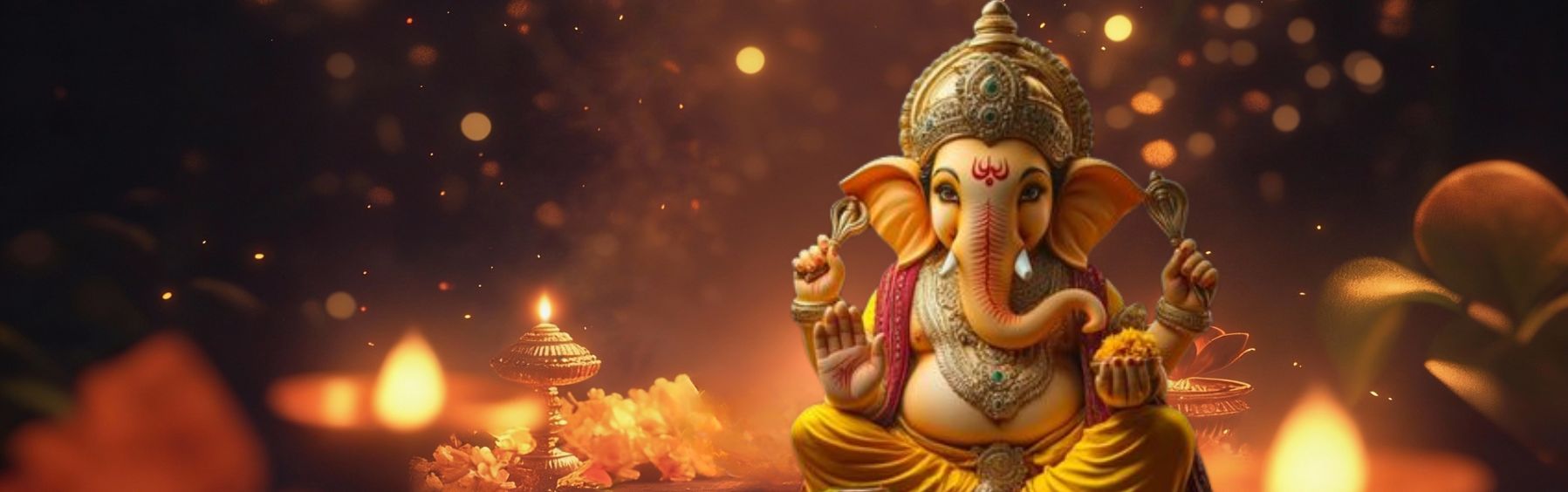
01Bala Ganapathi
New Beginnings
The child form of Vinayagar symbolizes innocence, happiness, growth, and fresh beginnings.
Associated WithChildren • Family Happiness • Growth

Shodasha means sixteen. The Shodasha Ganapathi are Bala, Taruna, Bhakti, Veera, Shakti, Dvija, Siddhi, Ucchishta, Vighna, Kshipra, Heramba, Lakshmi, Maha, Vijaya, Nritta and Urdhva Ganapathi.
Lord Vinayagar, also known as Ganapati, Ganesha, Vinayaka and Pillaiyar, is worshipped as the remover of obstacles and the lord of wisdom and auspicious beginnings.
The 16 forms of Vinayagar, known as Shodasha Ganapathi or Shodasha Ganapati, represent qualities such as courage, knowledge, prosperity, success, protection, devotion, creativity and spiritual growth. They are commonly presented as the first sixteen within the wider traditional list of 32 iconographic forms of Ganapathi.
The Shodasha Ganapathi names are:
Each of these types of Vinayagar expresses a distinct divine quality and guides devotees toward a balanced, purposeful, and auspicious life.
01The child form of Vinayagar symbolizes innocence, happiness, growth, and fresh beginnings.
Associated WithChildren • Family Happiness • Growth
02The youthful form of Vinayagar represents energy, enthusiasm, confidence, and positive progress.
Associated WithVitality • Confidence • Progress
03Bhakti Ganapathi represents sincere devotion, faith, humility, and spiritual connection.
Associated WithFaith • Inner Peace • Devotion
 04
04The courageous form of Vinayagar represents determination and strength to face challenges.
Associated WithCourage • Confidence • Strength
05Shakti Ganapathi represents wisdom combined with divine energy and purposeful action.
Associated WithEnergy • Inner Strength • Courage
06Dvija Ganapathi represents education, wisdom, discipline, and intellectual growth.
Associated WithEducation • Learning • Concentration
07Siddhi Ganapathi represents achievement and the successful completion of important goals.
Associated WithSuccess • Career • Achievement
08An esoteric form of Ganapathi associated with deeper knowledge, awareness, and spiritual transformation.
Associated WithAwareness • Knowledge • Spiritual Growth
09Vighna Ganapathi represents overcoming obstacles, delays, and difficulties before important beginnings.
Associated WithNew Ventures • Progress • Obstacle Removal
10Kshipra Ganapathi represents timely action, clear decisions, and quick forward movement.
Associated WithDecisions • Opportunities • Progress
11The protective form of Vinayagar represents courage, support, and family welfare.
Associated WithProtection • Family • Courage
12Lakshmi Ganapathi represents prosperity, abundance, financial stability, and overall well-being.
Associated WithProsperity • Business • Family Welfare
13Maha Ganapathi represents the majestic and complete qualities of Lord Vinayagar.
Associated WithWisdom • Success • Auspiciousness
14Vijaya Ganapathi represents victory and successful progress after overcoming challenges.
Associated WithSuccess • Career • Achievement
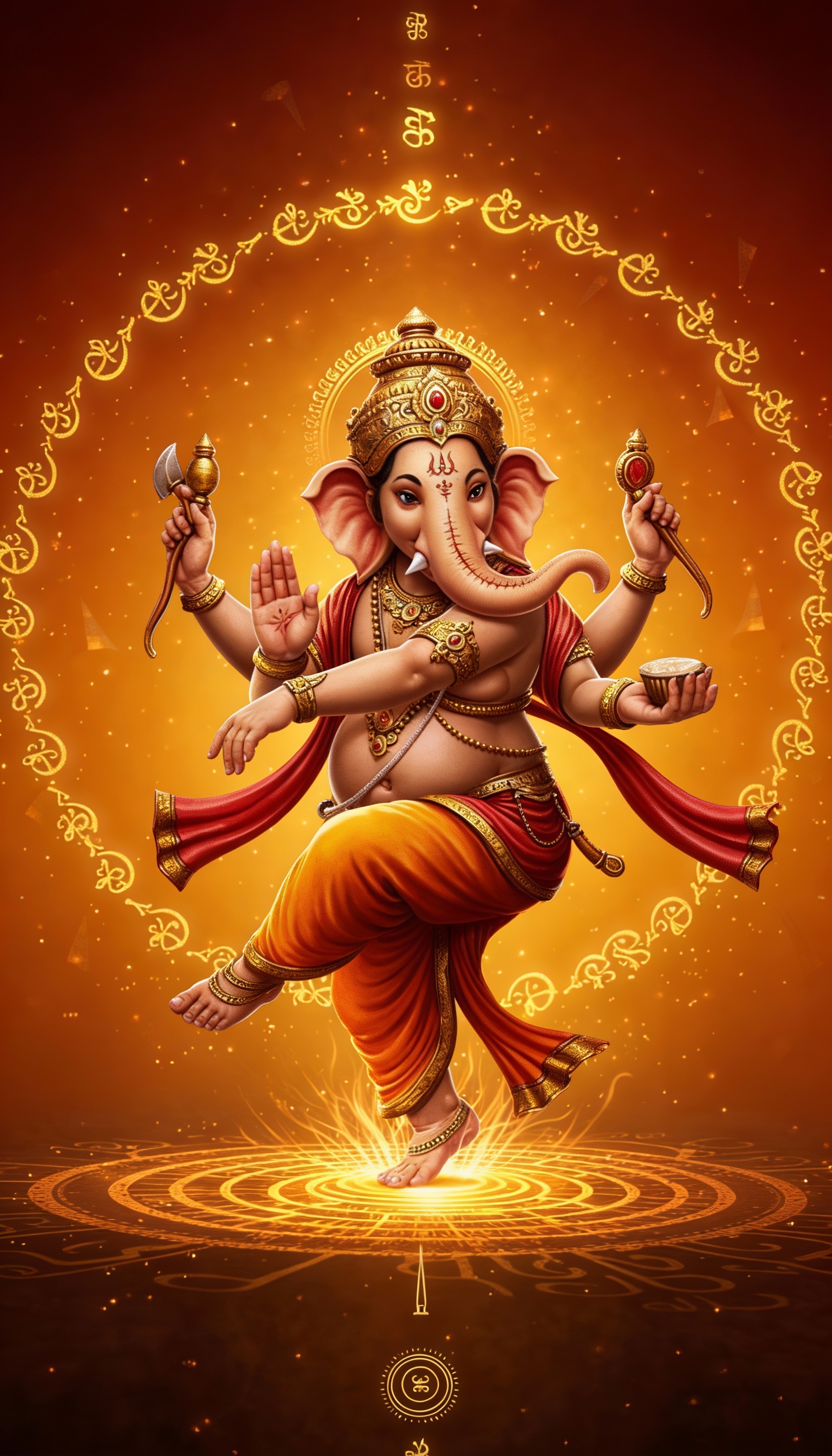
15The dancing form of Lord Vinayagar represents happiness, creativity, art, music, and celebration.
Associated WithCreativity • Music • Happiness
16Urdhva Ganapathi represents higher awareness, wisdom, transformation, and spiritual elevation.
Associated WithWisdom • Transformation • Spiritual Growth
The Shodasha Ganapathi forms bring together the blessings devotees seek throughout every stage of life.

Bala Ganapathi represents innocence, happiness, and fresh beginnings.

Dvija Ganapathi represents education, knowledge, and clarity.

Veera and Shakti Ganapathi represent determination and inner strength.
Siddhi and Vijaya Ganapathi represent achievement and successful progress.
Lakshmi and Heramba Ganapathi represent prosperity, welfare, and protection.
Bhakti, Ucchishta, and Urdhva Ganapathi represent devotion and higher awareness.
Vinayagar Chaturthi is an auspicious occasion to understand and worship the different qualities represented by Lord Vinayagar.
The sixteen forms remind devotees to seek His blessings for wisdom, courage, successful beginnings, prosperity, family well-being, creativity, and spiritual growth.
Participate in a personalized Vinayagar Chaturthi Pooja performed with your Name, Nakshatra, and Gotra as part of the Sankalpam.
The 16 forms are Bala, Taruna, Bhakti, Veera, Shakti, Dvija, Siddhi, Ucchishta, Vighna, Kshipra, Heramba, Lakshmi, Maha, Vijaya, Nritta and Urdhva Ganapathi. Together they are known as Shodasha Ganapathi.
Vighna Ganapathi particularly represents overcoming obstacles and delays.
Lakshmi Ganapathi represents prosperity, abundance, and well-being.
Siddhi Ganapathi represents accomplishment, while Vijaya Ganapathi represents victory.
Dvija Ganapathi represents knowledge, education, learning, and wisdom.
Heramba Ganapathi is traditionally associated with protection, courage, and family welfare.
Bala Ganapathi, the child form of Vinayagar, symbolizes innocence, happiness, growth, and fresh beginnings.
Veera Ganapathi represents courage and determination, while Shakti Ganapathi represents divine energy and inner strength.
Kshipra Ganapathi is associated with timely action, clear decisions, opportunities, and quick forward movement.
Nritta Ganapathi, the dancing form of Lord Vinayagar, represents creativity, music, happiness, and celebration.
Bhakti Ganapathi represents devotion, Ucchishta Ganapathi represents deeper spiritual knowledge, and Urdhva Ganapathi represents higher awareness and transformation.
Yes. Vinayagar Chaturthi is an auspicious occasion to remember the sixteen forms and pray for wisdom, protection, prosperity, success, and spiritual growth.
Shodasha Ganapathi refers to a group of sixteen forms. These are commonly presented as the first sixteen within the wider traditional list of 32 iconographic forms of Ganapathi.