Poorna Pooja
₹ 850
- Sankalapam
- Abhishekam
- Aavahanam
- 108 Krishna Ashtothram Chanting
- Dhoopam & Deepam
- Aarthi
- Aashirwadham
- Bal Gopal pooja blessings









Align actions with dharma and find right direction in life
Attract wisdom, mental clarity, and peace of mind
Promote family harmony, mutual understanding, and emotional balance
Support children's intelligence, learning ability, and moral values
Gain steady career growth, success, and financial stability
Reduce negative karmic patterns and clear unseen obstacles
4.9/5 Rating Based On 954 Devotee Reviews

Krishna Janmashtami is one of the most sacred Hindu festivals, celebrating the birth of Lord Krishna, the eighth incarnation of Lord Vishnu. According to the Bhagavad Gita, Lord Krishna's teachings on righteousness, devotion, and selfless action continue to guide millions of devotees around the world.
Every year, devotees observe Krishna Janmashtami with fasting, devotional singing, chanting, temple visits, and special poojas to express their devotion and seek Lord Krishna's blessings for peace, family harmony, wisdom, and spiritual growth.
Krishna Janmashtami in 2026 is observed on September 4, 2026, according to the Ashtami Tithi of Krishna Paksha in the month of Bhadrapada, combined with the Rohini Nakshatra, which is traditionally associated with Lord Krishna's birth. For city-wise Nishita Kaal Muhurat and complete timings, visit our Krishna Janmashtami 2026 Date and Time guide, or consult trusted calendars such as Drik Panchang.
According to the Srimad Bhagavatam, Lord Krishna was born in Mathura to Devaki and Vasudeva to restore dharma and protect the world from evil. His life teaches devotion, compassion, courage, humility, and righteous living. His divine teachings in the Bhagavad Gita continue to inspire people seeking clarity in both spiritual and everyday life.
Krishna Janmashtami is much more than a festival. It is an opportunity to strengthen one's connection with Lord Krishna through sincere devotion, prayer, and remembrance. Traditionally, devotees observe this sacred occasion to:
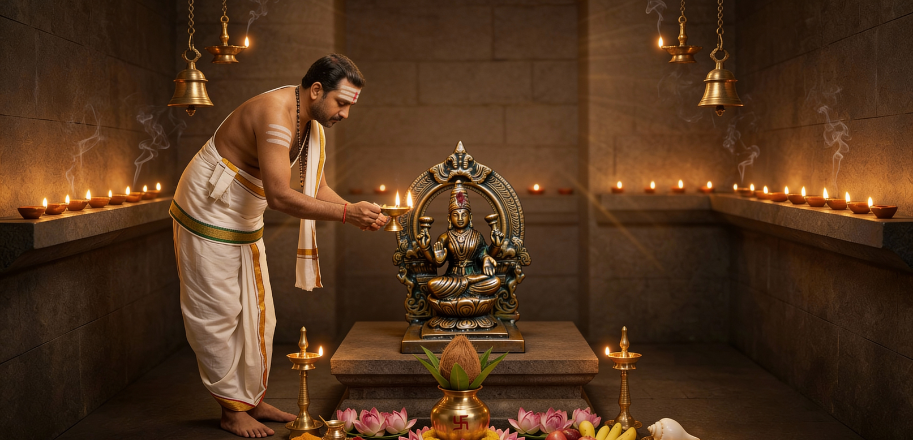
Many devotees choose to perform a personalized Krishna Janmashtami Pooja on this auspicious day to offer prayers directly in their name through a traditional Sankalpam. Learn more about the core motives and traditions in our article on why perform Krishna Janmashtami Pooja. At Swaami Narayanan Temple, the pooja is conducted according to traditional Vedic procedures by experienced priests.
According to Hindu tradition, devotees perform Krishna Janmashtami Pooja while praying for:
*The above benefits reflect traditional Hindu beliefs. Read our in-depth analysis of Krishna Janmashtami Pooja & Homam benefits for relationships, marriage, and fertility.
Unlike many online platforms, every Krishna Janmashtami Pooja at Swaami Narayanan Temple is conducted as a personalized ritual, not a group ceremony.
Devotees often visit sacred places connected to Lord Krishna's life, which are beautifully maintained and promoted by Uttar Pradesh Tourism. These holy places continue to attract millions of devotees every year:
Krishna Janmashtami will be observed on Friday, September 4, 2026, according to the festival calendar calculated by Drik Panchang. Festival timings can vary slightly by location, so devotees should check the Panchang for their city.
Krishna Janmashtami is the annual Hindu festival celebrating the divine birth of Lord Krishna. It is observed on Ashtami, the eighth lunar day of Krishna Paksha, and is also known as Gokulashtami, Krishnashtami and Sri Krishna Jayanti. Learn more about the festival’s history through this Krishna Janmashtami overview.
Krishna Janmashtami celebrates the appearance of Lord Krishna and remembers his role in protecting dharma and guiding humanity toward devotion and righteous action. The scriptural account of his divine birth appears in the Srimad Bhagavatam, Canto 10, Chapter 3.
At Swaami Narayanan Temple, the pooja is performed by experienced Vedic priests through personalized Sankalpam, Lord Krishna worship, mantra chanting, sacred offerings, Homam, Naivedyam, and Aarti. Devotees can participate through live online video streaming and receive their personal pooja video.
According to Hindu tradition, Lord Krishna was born to Devaki and Vasudeva in Mathura. His birth and the events surrounding it are narrated in the Srimad Bhagavatam’s chapter on the birth of Lord Krishna.
Yes. Krishna Janmashtami commemorates the birth of Lord Krishna and is celebrated every year according to the Hindu lunar calendar. The festival is traditionally observed on Krishna Paksha Ashtami during the Shravana or Bhadrapada month, depending on the regional calendar system. Read more in this Krishna Janmashtami reference guide.
Yes. Krishna Janmashtami is known by several regional names, including Gokulashtami, Krishnashtami, Krishna Jayanti, Sri Krishna Jayanti and Ashtami Rohini. Although customs may vary between regions, all these observances honour the birth of Lord Krishna. See the recognised names in this Janmashtami festival reference.
Krishna Janmashtami reminds devotees that divine wisdom, courage and righteousness can arise even during difficult circumstances. The occasion is observed through prayer, fasting, chanting, scripture reading and remembrance of Krishna’s teachings. Devotees can explore these teachings through the Bhagavad Gita.
Devotees choose Swaami Narayanan Temple because the pooja is performed personally for each family, not as a group ritual. Experienced Vedic priests conduct the worship through Individual Sankalpam using the devotee’s Name, Nakshatra, and Gothra, following authentic traditional procedures.
Devotees celebrate Krishna Janmashtami by fasting, decorating Krishna idols, singing bhajans, reading sacred texts, performing Abhishekam and offering midnight prayers. Some communities also organise dramatic presentations of Krishna’s life and Dahi Handi celebrations. These common observances are outlined in this Krishna Janmashtami festival overview.
Traditional Janmashtami offerings include Panchamrit, milk, fruits, Tulsi leaves, Makhan Mishri, incense and a lighted lamp. Devotees may also prepare sweets and other sattvic dishes according to their family traditions. See the traditional offering list on Drik Panchang.
Butter and Makhan Mishri are offered because they are closely associated with Bala Krishna’s childhood stories and his affection for freshly churned butter. The offering expresses sweetness, innocence and loving devotion. Krishna’s childhood pastimes are described in the Srimad Bhagavatam, Canto 10.
Tulsi is considered sacred in Vaishnava worship and is traditionally placed on food, fruits and other offerings made to Lord Krishna. Drik Panchang includes Tulsi leaves among the customary Janmashtami Pooja offerings in its Krishna Janmashtami Vrat guide.
Depending on family tradition, devotees may consume fruits, milk, curd, nuts and permitted vrat foods while avoiding regular grains and non-sattvic items. The type of fast may range from a simple fruit-based fast to a stricter observance, based on health and spiritual discipline.
A widely chanted mantra is “Om Namo Bhagavate Vasudevaya.” Devotees may also chant the Hare Krishna Maha Mantra, recite Vishnu Sahasranama or read verses from the Bhagavad Gita. Information about Krishna-focused chanting and devotional practices is available through the official ISKCON website.
Devotees commonly read the Bhagavad Gita and the tenth canto of the Srimad Bhagavatam, which contains accounts of Krishna’s birth and childhood pastimes. The complete scriptural account is available through the Vedabase Srimad Bhagavatam collection.
Krishna Abhishekam is the ceremonial bathing of Lord Krishna’s idol with sacred substances such as milk, curd, honey, ghee and water. It is generally followed by decoration, offerings, mantra chanting and Aarti as part of the Janmashtami Pooja.
Krishna Janmashtami Homam is a Vedic fire ritual conducted with sacred mantras and offerings to seek Lord Krishna’s blessings. The exact procedure may vary according to the temple, priestly tradition and the Sankalpam made by the devotee.
A personalized Krishna Janmashtami Pooja is conducted with an individual Sankalpam using the devotee’s Name, Nakshatra and Gothra. At Swaami Narayanan Temple, each pooja is performed specifically for the registered devotee rather than as a general group pooja.
Yes. Devotees who cannot visit the temple can book a personalized Krishna Janmashtami Pooja and participate through a live video connection. This allows families living in India or abroad to join the ritual while it is being performed at the temple.
Yes. NRIs and devotees living worldwide can participate in a personalized online Krishna Janmashtami Pooja. Their Sankalpam details can be included in the ritual, and live participation enables the family to witness the pooja from their location.
Devotees traditionally perform Krishna Janmashtami Pooja to pray for devotion, wisdom, mental peace, family harmony and spiritual strength. Some also seek blessings for marriage, parenthood, prosperity and righteous decision-making. These are traditional matters of faith rather than guaranteed outcomes.
Yes. Unmarried individuals and couples may offer prayers to Lord Krishna for guidance, relationship harmony and blessings for family life. A personalized Sankalpam allows the prayer to be offered using the devotee’s individual details.
Some devotees traditionally worship Lord Krishna in his Bala Krishna form while praying for parenthood, healthy children and blessings for future generations. Such spiritual benefits should be presented as traditional beliefs and not as medical guarantees.
For New Delhi, the Nishita Kaal Pooja time is listed as 11:57 PM on September 4 to 12:43 AM on September 5, 2026. Since the precise Muhurat depends on the devotee’s location, check the city-specific timings on Drik Panchang.
To book, choose the Krishna Janmashtami Pooja service, submit your Name, Nakshatra, Gothra and family prayer details, and confirm your participation. Swaami Narayanan Temple provides an individual Sankalpam, dedicated Vedic priests, live online participation and a personal pooja video—never a group pooja.

Kind words from our Swaami narayanan Clients.
My son was facing a lot of confusion in studies and decision-making. We booked the Krishna Janmashtami pooja online and watched it live from Singapore. Within weeks, his focus and confidence improved. Truly grateful.

I was skeptical initially, but the way the priest called exactly on time and explained the Krishna Janmashtami pooja gave me full confidence. The midnight pooja experience was peaceful and divine.

I wanted to perform Krishna Janmashtami pooja for my family’s peace. I found Swaminarayan Temple online and booked instantly. The process was smooth and the pooja was done with complete devotion.
We have booked multiple poojas and homams here. Their Krishna Janmashtami pooja was especially powerful. Timely, transparent, and very well organized. Highly trustworthy.
Very satisfying experience. The priest explained each step of the Krishna Janmashtami pooja clearly and performed it with sincerity. I felt calm and positive after the ritual.

 Swami Narayanan Temple
 We keep our prices simple and reasonable, while following proper traditions.


long life and good health.
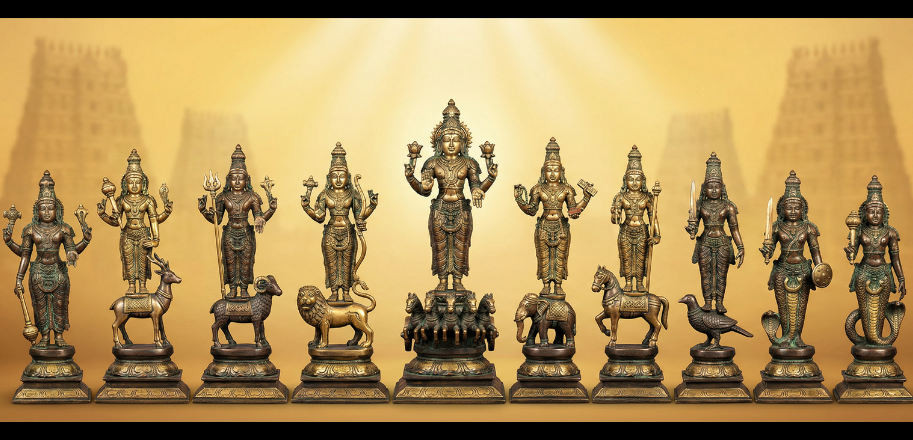
Balance Planetary Energies, Transform Your Destiny
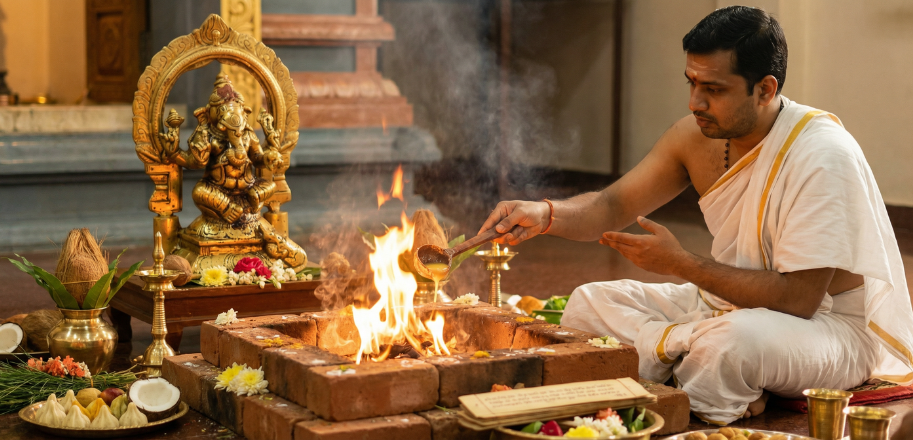
Remove Obstacles, Begin with Blessings
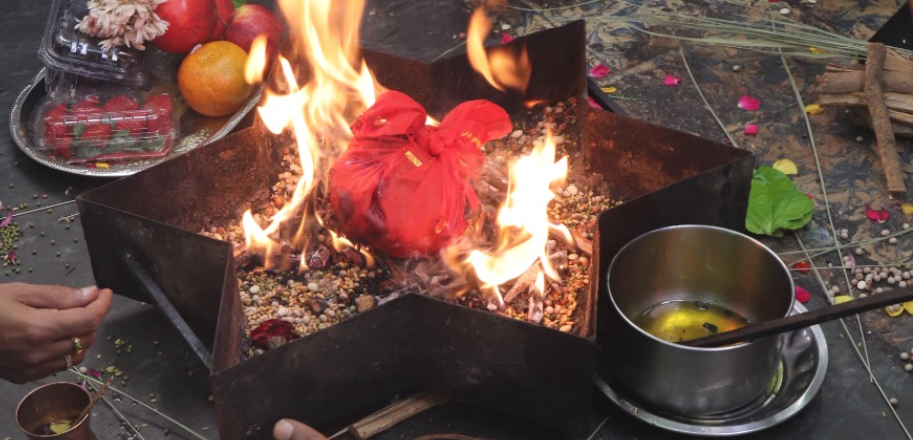
Divine Blessings for Health & Longevity
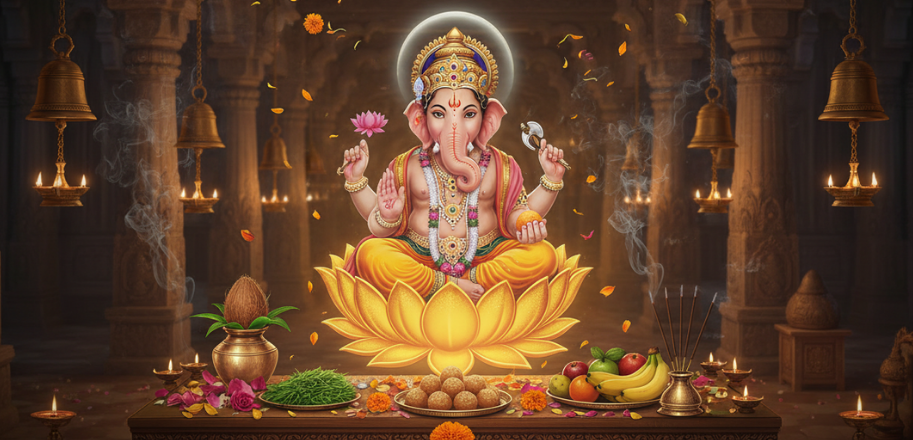
Get success in studies, business, and personal goals.
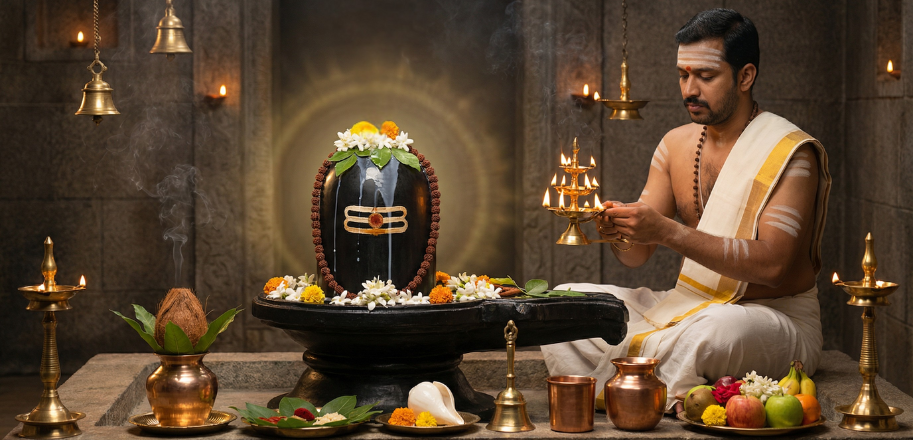
Get relief from past karmas and life problems
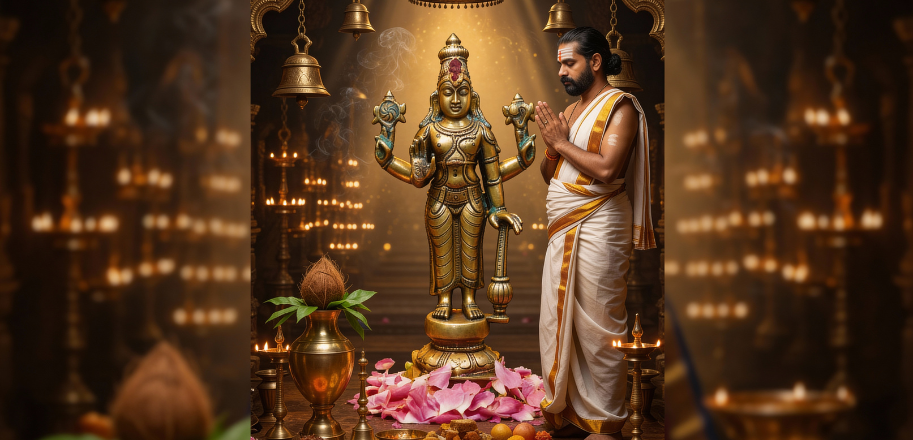
Increase your mental abilities, focus , concentration
Increase your financial growth
Read our detailed guides on Janmashtami dates, timings, spiritual significance, and pooja benefits.