
Increase your Attraction

Aadi Amavasai Pooja Process
Understand the complete step-by-step sequence of sacred Aadi Amavasai rituals, Sankalpam prayers, Abhishekam, and temple blessings conducted at Swaami Narayanan Temple.
Step-by-Step Vedic Transparency • Swaami Narayanan Temple Scholars

What is the Aadi Amavasai Pooja Process?
Aadi Amavasai Pooja Process, also commonly written as Aadi Amavasya Pooja Process, explains the traditional sequence of rituals observed during Aadi Amavasai according to Hindu and Vedic tradition.
An Aadi Amavasai Pooja at Swaami Narayanan Temple follows a structured 6-step Vedic sequence: Preliminary sanctification, Maha Sankalpam (devotee vow), Ganapathi Smaranam, sacred Abhishekam (holy bath), Sahasranama Archana (flower offering), Purna Ahuti, and Maha Deeparadhana with final temple blessings. The entire ceremony takes about 1.5 to 2 hours and can be attended in person or registered through priest-led Sankalpam.
Participating in temple worship during Aadi Amavasai is a profound spiritual experience. Whether you attend physically at Swaami Narayanan Temple or participate through priest-conducted Sankalpam, understanding the ritual sequence provides clarity, peace of mind, and deeper devotional engagement. Below is a detailed walkthrough of each stage of the ceremony.
Before the Aadi Amavasai Pooja Process Begins
Long before devotees arrive, temple preparation for the Aadi Amavasai Ritual Process begins during the early morning hours (Brahma Muhurtham). Priests perform personal purificatory rites (Snanam & Sandhyavandanam) and clean the temple sanctum using consecrated water and aromatic herbs.
Sacred items including fresh lotus, jasmine, tulsi leaves, sandal paste, pure cow's ghee, and holy dravyas are arranged at the altar. The temple air is infused with natural incense (Dhupam), creating an atmosphere of deep tranquility and spiritual focus.
Step 1: Maha Sankalpam (The Sacred Vow)
The ceremony opens with Maha Sankalpam—the formal solemn vow where the purpose of the worship is stated in sacred Sanskrit scriptural terms during the Aadi Amavasai Pooja Steps.
Why is Sankalpam performed during the Aadi Amavasai Pooja Process?
Sankalpam is the sacred declaration of intent. The priest utters the devotee's name, nakshatra (birth star), rashi, and gotram, dedicating the spiritual energy of the Vedic chants directly to the participant and their family lineage, ensuring divine blessings reach the intended household.
During Sankalpam, priests invoke the astrological time (Tithi, Vara, Nakshatra) and geographical coordinates, establishing a direct spiritual bridge between the temple altar and the participating devotees.
Step 2: Ganapathi Pooja
Following Sankalpam, priests perform initial prayers dedicated to Lord Ganesha, the revered deity of beginnings and wisdom, as an essential part of how Aadi Amavasai Pooja is performed.
Why is Lord Ganesha worshipped first in the pooja process?
According to Hindu tradition, Lord Ganesha is Vigneshwara—the remover of all obstacles. Invoking Ganesha at the beginning of the Aadi Amavasai Pooja Process ensures that the sacred ceremony proceeds smoothly without spiritual or physical impediments, creating a harmonious foundation for the main rituals.
During Ganapathi Pooja, a turmeric representation of Ganesha (Haridra Ganesha) is anointed with kumkum, flowers, and durva grass while the sacred Ganapati Atharvashirsha is chanted.
Step 3: Main Temple Ritual (Abhishekam & Archana)
The central focus of the Aadi Amavasai Ritual Process is the elaborate Abhishekam and Archana performed to the main deity.
A
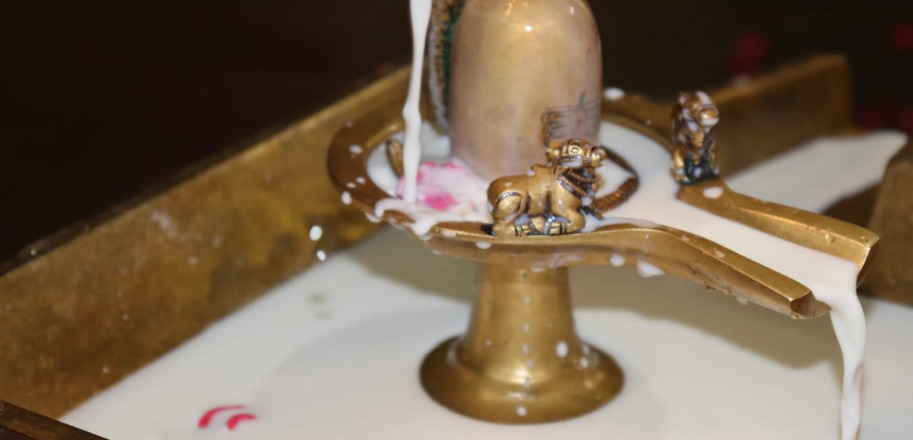
Sacred Abhishekam (Ritual Bath)
The deity is ritually bathed with sacred dravyas including pure water, fresh milk, honey, fruit juice, tender coconut water, turmeric, and sandalwood paste while priests recite the Rudra Prashna and Purusha Suktam.
B
Alankaram (Sacred Adornment)
Following the bath, the deity is dressed in fresh silk garments, adorned with fragrant flower garlands, and decorated with traditional ornaments.
C
Sahasranama Archana (Namarchana)
Priests offer fresh flowers and bilva leaves individually as they chant the 108 or 1000 holy names of the deity, infusing the sanctum with vibrant devotional energy.
Step 4: Special Temple Prayers for Ancestral Peace
During Aadi Amavasai, special Vedic hymns are recited specifically to honor family lineage and ancestral peace. Priests chant sacred stotrams invoking divine light upon all past generations.
According to Vedic tradition, these divine vibrations create subtle spiritual warmth that comforts ancestral souls and reinforces family harmony across past, present, and future generations. For devotees seeking specific ancestral dosha remedy rituals, traditional remedies such as Thila Homam are also performed according to Vedic tradition.
Step 5: Purna Ahuti (Final Oblation)
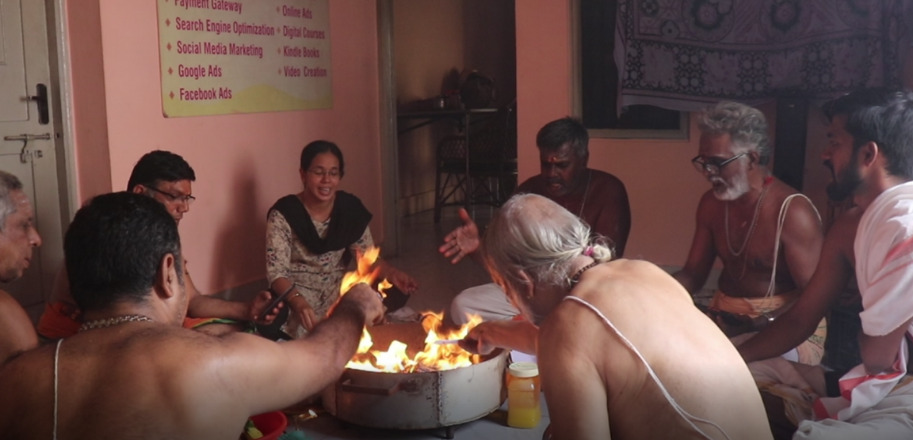
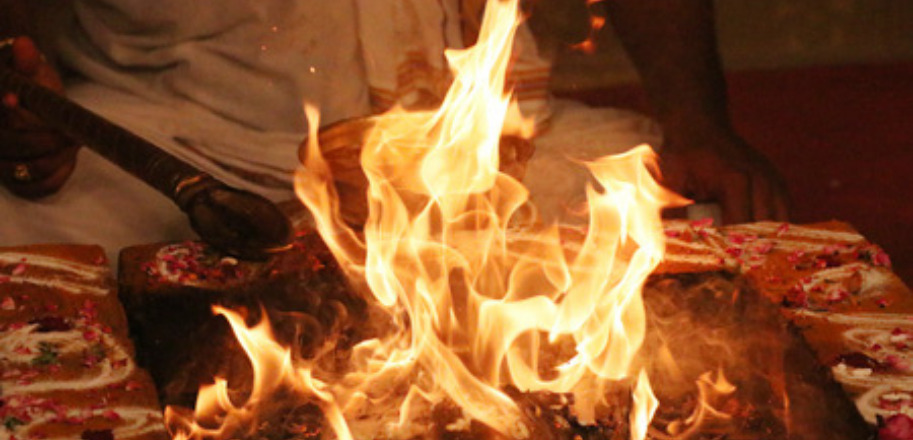
If a Havanam (fire ritual) is conducted as part of the special event, the ceremony reaches its climax with Purna Ahuti.
A consecrated silk bundle containing herbal samagri, dry fruits, and sacred spices is offered into the holy fire while chanting the Purna Ahuti Mantra. This symbolizes complete surrender of ego, completion of prayers, and universal peace.
Step 6: Maha Deeparadhana & Final Temple Blessings
The pooja process concludes with Maha Deeparadhana (Aarti). Camphor and multi-tiered brass oil lamps are illuminated, casting warm, divine radiance over the altar while temple bells chime.
Devotees present in person receive the Aarti flame blessing, holy water (Tirtham), and sacred Kumkum and Vibhuti blessings from the head priests.
Devotee Preparation Guide for Aadi Amavasai Pooja
To ensure a smooth, comfortable experience for devotees attending or booking the Aadi Amavasai Pooja Process, here are essential guidelines answering key practical questions:
Do I need to bring anything for the Aadi Amavasai Pooja Process?
No mandatory items are required. Swaami Narayanan Temple provides all essential ritual samagri, sacred flowers, ghee, and oblations. Devotees attending in person may voluntarily bring fresh flowers, fruits, or coconut as personal devotional offerings.
What should devotees wear for the Aadi Amavasai Pooja Process?
Devotees attending in person are requested to wear clean traditional Indian attire. Men traditionally wear a dhoti, veshti, or kurta-pyjama. Women traditionally wear a saree, half-saree, or traditional salwar kameez. Modest, comfortable dress is encouraged.
How long does the Aadi Amavasai Pooja Process take?
The complete Aadi Amavasai Pooja Process at Swaami Narayanan Temple typically lasts between 1.5 to 2 hours. This covers all preliminary invocations, main deity Abhishekam, Sahasranama Archana, Purna Ahuti, and concluding Aarti blessings.
Who can participate in the Aadi Amavasai Pooja Process?
Anyone seeking spiritual peace, ancestral goodwill, and divine blessings can participate. Devotees of all ages, families, householders, and international seekers are welcome to join in person or register family details for priest-conducted Sankalpam.
Is prior booking required for the Aadi Amavasai Pooja Process?
Prior registration is recommended for devotees who want their family names, gotram, and nakshatra included in the priest-led Sankalpam during the temple pooja process. This ensures your names are uttered during the sacred invocations.
Frequently Asked Questions about Aadi Amavasai Pooja Process
Find clear answers to common questions regarding temple etiquette, preparation, and participation:
The Aadi Amavasai Pooja Process (also commonly written as Aadi Amavasya Pooja Process) at Swaami Narayanan Temple follows a traditional 6-step Vedic sequence: Sanctification, Maha Sankalpam (devotee vow), Ganapathi Smaranam, Abhishekam (holy bath), Sahasranama Archana (flower offering), Purna Ahuti, and Deeparadhana with final temple blessings.
Sankalpam is the sacred declaration of intent. The priest utters the devotee's name, nakshatra (birth star), rashi, and gotram, dedicating the energy of the Vedic chants directly to the participant and their family lineage.
According to Hindu tradition, Lord Ganesha is Vigneshwara—the remover of all obstacles. Invoking Ganesha at the beginning of the Aadi Amavasai Pooja Process ensures that the sacred ceremony proceeds smoothly without spiritual or physical impediments.
The complete Aadi Amavasai Pooja Process at Swaami Narayanan Temple typically lasts between 1.5 to 2 hours, covering all preliminary invocations, main deity Abhishekam, Archana, and concluding Aarti.
Devotees attending in person are requested to wear clean traditional Indian attire. Men traditionally wear a dhoti or kurta-pyjama, while women wear a saree, half-saree, or traditional salwar kameez.
Anyone seeking spiritual peace, ancestral goodwill, and divine blessings can participate. Devotees of all ages and backgrounds are welcome, both in person at the temple and through priest-led Sankalpam registration.
No mandatory items are required. The temple provides all ritual ingredients, sacred flowers, and samagri. Devotees attending in person may bring fresh flowers, fruits, or coconut as voluntary offerings.
Prior registration is recommended for devotees who want their family names, gotram, and nakshatra included in the priest-led Sankalpam during the temple pooja process.
Yes, children are warmly welcome. Experiencing temple rituals instills cultural values, spiritual reverence, and family harmony in younger generations.
If you cannot be physically present, our Vedic priests perform the complete Pooja and Sankalpam on your behalf using your registered details at the temple sanctum.
During Maha Deeparadhana (Aarti), sacred camphor and multi-tiered oil lamps are illuminated before the deity. Priests offer final prayers for peace, and sacred Kumkum and Vibhuti blessings are bestowed upon participating devotees.
Devotees should maintain silent reverence inside the sanctum, switch mobile phones to silent mode, respect priest instructions, and accept sacred Aarti blessings with right hands elevated.
Register for Aadi Amavasai Special Pooja
Experience authentic priest-led temple worship on Aadi Amavasai. Submit your family details for Sankalpam to receive divine blessings.
Aadi Amavasai Special Pooja Registration
Includes Name & Nakshatra Sankalpam, Maha Abhishekam, Sahasranama Archana, and final temple blessings.
- Conducted by experienced Swaami Narayanan Temple priests
- Individual Sankalpam chanted during sacred rites
- Traditional Vedic ritual protocol followed
Service Transparency:
- Vedic Authenticity: All rituals follow traditional Agama and Vedic scriptures. We do not conduct non-scriptural ceremonies.
- Spiritual Focus: According to Hindu tradition, devotees participate in poojas to express gratitude, devotion, and reverence. Swaami Narayanan Temple does not promise material miracles or guaranteed wealth cures.
Participate in Aadi Amavasai Pooja
Devotees can register their details (Name, Nakshatra, Gotram, and Prayer Intentions) for traditional temple worship performed by Swaami Narayanan Temple priests:
Explore Aadi Amavasai Topics
What is Aadi Amavasai?
Discover the core spiritual meaning, origins, and cultural significance of Aadi Amavasai in Tamil Hindu tradition.
Read Pillar GuideAadi Amavasai Pooja
Learn about temple worship offerings, participating in sacred Sankalpam, and devotional benefits.
Read Pooja GuideAadi Amavasai Timings
Check complete 2026 calendar dates, Amavasya Tithi start/end times, and astronomical details.
View TimingsContact Temple
Have specific questions regarding Sankalpam registration or temple visit guidelines? Contact our priests.
Contact UsExperience Divine Harmony & Lineage Peace
According to Hindu tradition, participating in sacred temple worship on Aadi Amavasai brings immense spiritual contentment and divine protection to your home.
Chat with Temple DeskOnline Homam
Clear Graha dosham
Navagraha Homam
Extending a lifetime
Maha Mrithyunjay Homam
Protects from dark evil
Sudarashana Homam
Online Pooja

Get a job, health, wealth, and happiness in life.
Guru Pooja

Increase your financial growth
Lakshmi Pooja
Win over your challenges
Skanda shashti pooja
Increase your focus & concentration