
Increase your Attraction

What is Aadi Amavasai?
Aadi Amavasai is a sacred New Moon day observed in Tamil Hindu tradition to honour ancestors, express gratitude, and participate in traditional prayers.
Last Updated: July 2026 • Swaaminarayan Temple Editorial Team

What is Aadi Amavasai?
Aadi Amavasai, also commonly written as Aadi Amavasya, is an important observance in the Tamil Hindu calendar. Both spellings refer to the same sacred new moon day dedicated to remembering ancestors according to Vedic tradition.
According to Hindu tradition, Aadi Amavasai occurs during the Tamil calendar month of Aadi (typically July or August). It marks the beginning of the sun's transition into the southern hemisphere (Dakshinayana), a period traditionally dedicated to spiritual reflection and ancestral remembrance.
Devotees observe Aadi Amavasai to honour their ancestors and express gratitude to their family lineage. It is considered an auspicious time for ancestral prayers, where offerings are made to seek peace and spiritual blessings for departed souls.
Traditionally, devotees participate by visiting sacred temples, performing remembrance rituals, offering water and black sesame seeds, and observing a devotional fast.
Key Takeaways
- Aadi Amavasai falls during the traditional Tamil calendar month of Aadi (July–August).
- According to Hindu tradition, devotees observe these rituals as an expression of gratitude, remembrance, and spiritual devotion.
- Traditional ancestral remembrance practices involve prayers, fasting, and charity.
- Devotees observe fasting and perform traditional family observances according to custom.
Aadi Amavasai Meaning & Origin
To understand what is Aadi Amavasai and the spiritual Aadi Amavasai meaning, it is helpful to look at the individual component terms in traditional Tamil and Vedic literature:
- Aadi: This refers to the fourth month in the traditional Tamil solar calendar (July–August). It marks the sun's transition into the southern celestial hemisphere, signifying the start of Dakshinayana.
- Amavasai (Amavasya): This is the term for the new moon day—the night of complete moonlessness when the Sun and Moon share the exact ecliptic longitude. In Vedic astrology, the Sun symbolizes the father (soul) while the Moon symbolizes the mother (mind).
According to Vedic tradition, when the new moon occurs in the month of Aadi, the planetary conjunction of the Sun and Moon in Cancer (Kataka) creates a solemn astrological period dedicated to lineage connection. Both spellings—Aadi Amavasai and Aadi Amavasya—convey the exact same spiritual meaning in Hindu culture.
Aadi Amavasai Significance & Astronomical Background
The Tamil Month of Aadi
Aadi is considered a deeply spiritual month in Tamil Nadu. In agrarian traditions, it marks the arrival of the monsoon season. Devotees dedicate this entire month to prayers, visiting temples, and observing traditional fasts.
Dakshinayana and Traditional Beliefs
According to traditional Hindu beliefs, the sun begins its southern journey (Dakshinayana) during Aadi. Vedic texts view Dakshinayana as the nighttime period of the celestial realms. It is traditionally believed that during this period, ancestral realms open, allowing departed souls to receive prayers offered by their living descendants.
Sun and Moon Planetary Conjunction
In traditional Vedic astrology, the Sun represents paternal ancestors (Pitrus) while the Moon represents maternal ancestors. On Aadi Amavasai, their conjunction in Kataka Rasi (Cancer) makes it an exceptionally important day for offering ancestral prayers and seeking family peace.
Why is Aadi Amavasai Important?
According to Hindu tradition, Aadi Amavasai holds profound spiritual importance for families to connect with their roots. Rather than being framed in fear, the observance is a beautiful expression of love, respect, and duty toward past generations. The primary reasons for its importance include:
- Honouring Ancestors: It is a dedicated time to remember parents, grandparents, and ancestors who have passed on, acknowledging their contribution to our lives.
- Expressing Gratitude: Devotees offer prayers as a humble way of saying thank you to their lineage, recognizing that our lives are built upon the foundation of our ancestors' efforts and blessings.
- Following Spiritual Practices: Observing the rituals helps maintain traditional customs, passing down cultural values and spiritual consciousness to younger generations.
- Seeking Peace & Blessings: Devotees pray for the spiritual peace of departed souls, seeking their positive energy and blessings for the family's well-being and harmony.
How Do Devotees Traditionally Observe Aadi Amavasai?
According to Hindu tradition, devotees spend the day of Aadi Amavasai in prayer and contemplation. The day is observed through several traditional practices:
- Visiting Temples: Devotees visit sacred temples dedicated to Lord Shiva, Lord Vishnu, and ancestral deities to offer prayers and light lamps on Aadi Amavasai.
- Offering Traditional Prayers: Families conduct special Pitru Poojas or traditional remembrance prayers at home or through temple priests to remember deceased family members.
- Participating in Traditional Charity: Devotees perform charity (Dana) by distributing food, clothes, and water to the needy, which is considered a highly meritorious act on Aadi Amavasai.
- Fasting and Devotion: The person performing the remembrance rites traditionally observes a partial or full fast, consuming food only after the prayers are complete. Special vegetarian meals are prepared without onion or garlic.
Aadi Amavasai Pooja at Swaaminarayan Temple
For devotees who are unable to perform detailed remembrance prayers at home, Swaaminarayan Temple provides facilities to participate in the sacred Aadi Amavasai Pooja online.
Devotees can register their family details (Name, Nakshatra, Rasi, and Gotra) for a personalized Sankalpam. The Vedic priests at our temple conduct the traditional prayers and Homam on their behalf. To learn more about the preparation and steps involved, you can read about What happens during an Aadi Amavasai Pooja? in detail.
Participate in Aadi Amavasai Pooja
Devotees can seek spiritual assistance for traditional Amavasya-related pooja and homam services performed by temple priests.
View Aadi Amavasai Pooja OptionsTraditional Aadi Amavasai Ritual Breakdown
According to traditional Vedic practices, an authentic Aadi Amavasai ritual involves specific phases conducted with sacred intentions (Sankalpa).
1
Punyavachanam
A purification prayer performed by the priest to cleanse the ritual space, water vessels, and materials, creating a spiritually clean atmosphere.
2
Sankalpam
A personalized dedication stating your name, birth star (Nakshatra), moon sign (Rasi), and gotra, along with the names of the ancestors being honored.
3
Traditional Offerings
According to Hindu tradition, devotees observe these rituals as an expression of gratitude, remembrance, and spiritual devotion, making offerings of water and black sesame seeds.
4
Homam / Purnahuthi
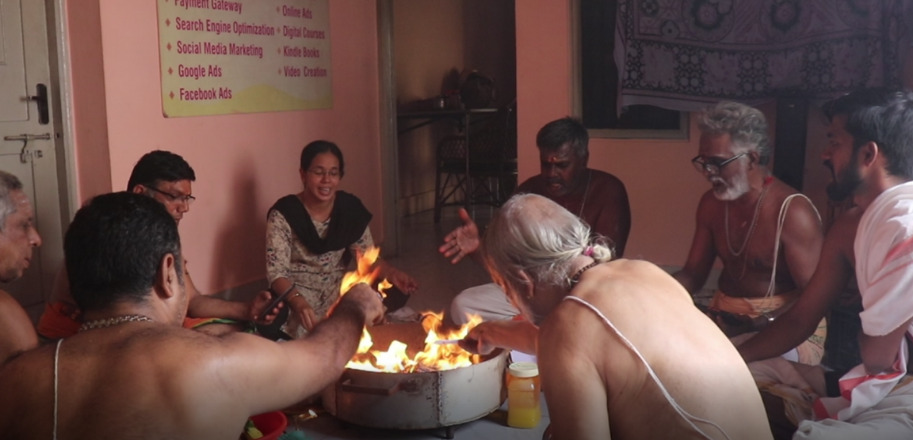
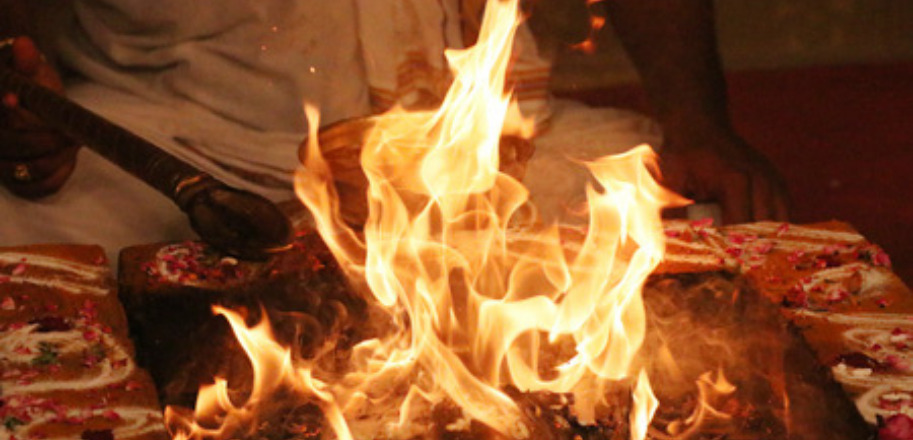
In extensive rituals like Thila Homam, a sacred fire is lit using sesame oil and wood as part of traditional prayers on Aadi Amavasai.
5
Aashirwadham
Concluding blessings received from the Vedic priests, praying for peace and spiritual well-being for the household.
Aadi Amavasai 2026 Date, Timings & Muhurtham
If you are wondering when is Aadi Amavasai 2026, it falls on Wednesday, August 12, 2026. For devotees planning to perform traditional ancestral remembrance practices, here are the detailed timings and auspicious muhurtham hours calculated based on the traditional Vedic calendar for 2026:
| Detail | Date & Time (Indian Standard Time - IST) |
|---|---|
| Aadi Amavasai Date | Wednesday, August 12, 2026 |
| Amavasya Tithi Begins | August 12, 2026, at 02:02 AM |
| Amavasya Tithi Ends | August 13, 2026, at 12:07 AM |
| Traditional Remembrance Hours | Sunrise to Noon (Auspicious during morning hours) |
Disclaimer: Timings may vary based on your geographic location and local traditional calendars. It is always recommended to consult with local priests for exact timings in your city.
Frequently Asked Questions about Aadi Amavasai
According to Hindu tradition, Aadi Amavasai (also commonly written as Aadi Amavasya) is a sacred New Moon day observed during the Tamil month of Aadi to honour ancestors, express gratitude, and participate in traditional prayers.
According to Hindu tradition, Aadi Amavasai is important for honouring ancestors, expressing gratitude towards one's lineage, following traditional spiritual practices, and seeking peace and blessings through prayers.
Aadi Amavasai is observed on the new moon day (Amavasya) during the Tamil month of Aadi, which generally falls between July and August.
According to Hindu tradition, devotees observe Aadi Amavasai by visiting temples, offering prayers, participating in traditional rituals, remembering ancestors, and spending the day in devotion.
Yes, devotees can participate in traditional Aadi Amavasai Pooja and Homam services conducted by Vedic priests at Swaaminarayan Temple online.
Reviewed By: Swaami Narayanan Temple Vedic Scholars
This article is prepared based on traditional Hindu practices and temple guidance.
Participate in Aadi Amavasai Pooja
According to Hindu tradition, devotees observe these rituals as an expression of gratitude, remembrance, and spiritual devotion. Devotees can register for traditional services performed by temple priests on Aadi Amavasai.
Submit
Devotee Details Below
Service Limitations & Disclaimers:
- Vedic authenticity: All rites follow standard Vedic texts. We do not conduct non-Vedic, localized, or non-scriptural ceremonies.
- Spiritual nature: According to Hindu tradition, devotees observe these rituals as an expression of gratitude, remembrance, and spiritual devotion. Swaami Narayanan Temple does not promise or guarantee material miracles, financial cures, or instant career promotions as outcomes.
Related Spiritual Resources
Thila Homam Guide
Learn about Thila Homam, the traditional Vedic fire ritual performed as part of traditional ancestral remembrance practices.
Read MoreMonthly Observances
Understand traditional ancestral remembrance practices, rules, and timings during regular monthly Amavasya days.
Read MoreMahalaya Amavasya
Discover Mahalaya Amavasya, the annual fortnight period dedicated to traditional ancestral remembrance practices and worship.
Read MorePitru Dosha Guide
Understand the traditional concept of Pitru Dosha, its connection with ancestral remembrance practices, and related spiritual observances.
Read MoreHonor Your Roots on Aadi Amavasai
Ancestral respect is a timeless tradition in Hindu culture. According to Hindu tradition, devotees observe these rituals on Aadi Amavasai as an expression of gratitude, remembrance, and spiritual devotion.
Chat on WhatsAppOnline Homam
Clear Graha dosham
Navagraha Homam
Extending a lifetime
Maha Mrithyunjay Homam
Protects from dark evil
Sudarashana Homam
Online Pooja

Get a job, health, wealth, and happiness in life.
Guru Pooja

Increase your financial growth
Lakshmi Pooja

Win over your challenges
Skanda shashti pooja

Increase your focus & concentration