
Increase your Attraction

What is Thila Homam?
Meaning, Significance & Importance
Thila Homam is a traditional Vedic fire ritual performed using sesame seeds (til) as sacred offerings. According to Vedic tradition, devotees perform this ritual as part of ancestor remembrance practices and prayers for spiritual peace.
Vedic Educational Guide • Prepared based on traditional Vedic references by
Swaami Narayanan Temple
Key Takeaways
- Vedic Origin: Sacred fire ritual performed with black sesame seeds (Til) to honor departed forefathers (Pitrus).
- Core Purpose: Conducted for ancestral peace (Pitru Shanti), lineage blessings, and traditional Pitru Dosha pariharam.
- Sacred Offerings: Black sesame seeds represent subtle spiritual energy, longevity, and debt purification in Vedic Agni rites.
- Best Dates: Traditionally performed on Amavasya (New Moon), Mahalaya Paksha fortnight, and annual ancestral Tithi dates.
Quick Overview: What is Thila Homam?
According to traditional Vedic beliefs, Thila Homam is a sacred fire ritual performed using black sesame seeds (*Til*) and cow ghee to honor departed ancestors (*Pitrus*).
- Meaning: "Thila" refers to black sesame seeds, and "Homam" signifies a consecrated Vedic fire offering into Agni Devata.
- Core Purpose: Conducted for ancestral peace (*Pitru Shanti*), lineage harmony, and fulfilling spiritual duties (*Pitru Rina*).
- Sacred Days: Performed on Amavasya (New Moon), Mahalaya Paksha fortnight, and annual death anniversary Tithis.
- Benefits Guide: Read about the complete spiritual benefits of Thila Homam in Hindu tradition.
Meaning of Thila Homam
According to Vedic tradition, the word "Thila" refers to black sesame seeds, and "Homam" represents a consecrated fire ritual. Fire (Agni) is traditionally revered in Hindu scriptures as the sacred messenger that carries prayers and offerings to the divine.
Thus, Thila Homam is the sacred act of offering black sesame seeds into the holy fire. It represents a profound cultural practice of expressing reverence and offering prayers for departed ancestors, invoking peace for their souls and continuity for the family line.
Why Are Sesame Seeds Used in Thila Homam?
According to traditional beliefs, black sesame seeds (Thila) hold unique spiritual properties that make them the preferred grain for ancestor-related rites. Unlike other grains that symbolize worldly growth and harvest, sesame seeds represent subtle spiritual energy, longevity, and purity.
During the fire ritual, offering sesame seeds is considered a symbolic gesture of letting go of karmic debts and conveying deep devotion. Vedic texts state that sesame offerings are uniquely received by the Pitrus (ancestral spirits), conveying family prayers directly to ancestral realms.
Spiritual Significance of Thila Homam
Traditional beliefs and spiritual benefits of ancestor remembrance practices

Ancestor Remembrance
Thila Homam is traditionally associated with remembering ancestors and offering prayers as part of Pitru-related practices.

Spiritual Practices
Devotees perform this ritual as part of their spiritual journey and traditional observances.

Traditional Beliefs
According to Vedic beliefs, ancestor remembrance is considered an important spiritual practice.
Thila Homam and Pitru Rituals
Understanding the connection with traditional ancestral rites
According to Vedic beliefs, Pitru rituals are ceremonies designed to honour and express gratitude to departed parents, grandparents, and ancestors. Hindu tradition teaches that expressing reverence to ones lineage brings peace and spiritual harmony.
Thila Homam serves as a primary ritual within these ancestral practices. Offering sesame seeds into the holy fire is believed to be a powerful medium for sending devotional prayers to ancestors, conveying lineage respect, and seeking their blessings for family well-being.
Devotees seeking deeper insight into ancestral obligations can read our comprehensive guide on Pitru Dosha & Ancestral Obligations.
When is Thila Homam Performed?
Spiritually significant occasions for ancestor remembrance rituals
Amavasya (New Moon)
Monthly Amavasya days are traditionally considered optimal times for Pitru oblations and ancestor prayers. Learn more about Mahalaya Amavasya Thila Homam.
Next Amavasya (Drik Panchang):
Aug 12, 2026 (01:52 AM – 11:06 PM)
Aug 12, 2026 (01:52 AM – 11:06 PM)
Aadi Amavasya
The highly revered Tamil New Moon in the month of Aadi is a sacred occasion for ancestral prayers. Read our guide on Aadi Amavasya.
Aadi Amavasai 2026 (Drik Panchang):
Aug 12, 2026 (01:52 AM – 11:06 PM)
Aug 12, 2026 (01:52 AM – 11:06 PM)
Mahalaya Amavasya
The culmination of Pitru Paksha dedicated entirely to ancestor remembrance. Read about Mahalaya Amavasya Thila Homam.
Mahalaya Amavasya 2026 (Drik Panchang):
Oct 09, 09:36 PM – Oct 10, 09:20 PM
Oct 09, 09:36 PM – Oct 10, 09:20 PM
Traditional Overview of Thila Homam Procedure
Concise summary of the authentic 7-step ritual sequence performed according to Swaami Narayanan Temple tradition
STEP 1
Sankalpam (Sacred Resolution)
The officiating priest chants Sanskrit mantras reciting the devotee's name, gotram, nakshatra, and ancestor names to formally dedicate the ritual to departed forefathers.
STEP 2
Shodasha Upachara Pooja
Sixteen traditional acts of reverent worship are devoutly offered to Lord Ganapathi, Lord Shiva, and Goddess Gowri to establish spiritual purity before the fire ritual.
STEP 3
Ashtothra Archana
Chanting 108 sacred names of divine deities alongside flower offerings to purify atmospheric energy and invoke divine protections for the family line.
STEP 4
Ganapathi Homam
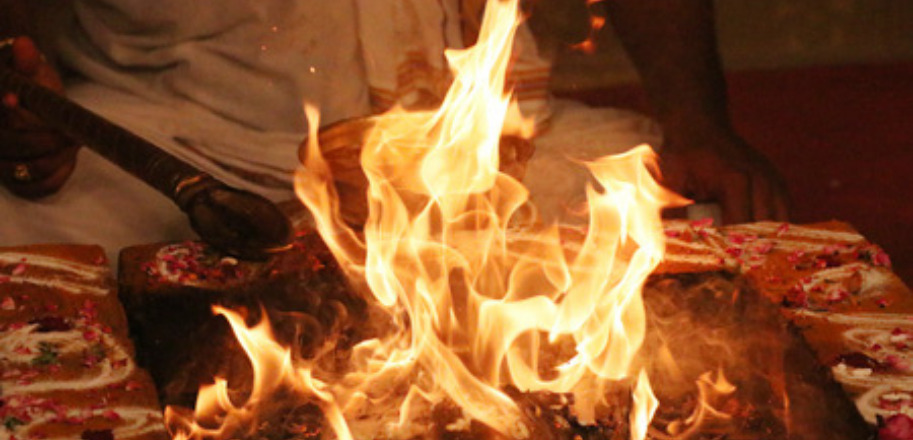
Fire oblations and pure cow's ghee are offered into the Homa Kundam while chanting Ganesha mantras to remove obstacles before conducting the principal ancestral homam.
STEP 5
Moksha Gathi Homam for the Twelve Pitrus
The principal stage where black sesame seeds (Thila), cow's ghee, and sacred offerings are placed into Agni Devata while reciting Vedic Pitru Sukta mantras and ancestor names to satisfy Pitru Rina.
STEP 6
Poorna Ahuti
A sanctified offering bundle containing sacred herbs, dry fruits, and spices wrapped in clean silk fabric is offered into the homa fire, signifying complete surrender and divine fulfillment.
STEP 7
Final Ashirvadam Blessings
Devotees receive priest blessings, consecrated Kalasam water sprinkling, and holy ash (Vibhuti) placement to carry home divine ancestral grace and peace.
Want to understand each ritual in detail? Read our complete Step-by-Step Thila Homam Procedure.
Read Complete 7-Step Procedure Guide
Clients Testimonials
Kind words from our Swaami Narayanan Clients.
Two of my cousins are abroad, one was in Australia and the other one was in Africa. We booked Thila Homam for our ancestors and received prompt video confirmation. We are deeply grateful to temple priests.

Pavithra - New Delhi
When my friend told me about the pooja and homam done in Swaami Narayanan temple, I was really skeptical. I booked Thila Homam with them and the priest called me at the exact time. The ritual was performed with high sanctity.

Ravi - US
I wanted to perform Thila Homam for my late parents. I was astonished by the devotion with which the priests performed the fire ceremony and uttered our Gotram.
Gogul - Chennai
Frequently Asked Questions
Quick answers to common questions about Thila Homam meaning and traditions
According to traditional Vedic beliefs, Thila Homam is a sacred fire ritual performed using sesame seeds (til) as sacred offerings as part of ancestor remembrance practices.
According to traditional beliefs, 'Thila' refers to black sesame seeds, which are considered significant in ancestral offerings.
According to traditional Vedic beliefs, sesame seeds are considered significant in Pitru-related offerings and rituals.
According to Vedic tradition, Thila Homam is performed as part of Pitru-related ceremonies and ancestor remembrance rituals.
According to traditional beliefs, Amavasya (New Moon) days, such as Aadi Amavasya, Mahalaya Amavasya, and annual ancestor Tithis are considered optimal.
Devotees can explore online booking options for priest-led rituals on Swaami Narayanan Temple's service page at Thila Homam Booking.
Why should you choose  Swami Narayanan Temple?
with E-service
Swami Narayanan Temple?
with E-service
Our prices are transparent and lower than market always.
- You can book and get your Homam performed with full Vedic sanctity.
- You can watch your Rituals Live via video stream.
- We chant your name and Gotram in every Ahuthi during the Homam.
- We chant 108 Ashtottara for all deities with authentic temple protocols.
- We only perform individual pooja and individual homam sevas.
- After the ritual, devotees receive confirmation along with ritual photos and/or video (where applicable). No physical prasadam is distributed.
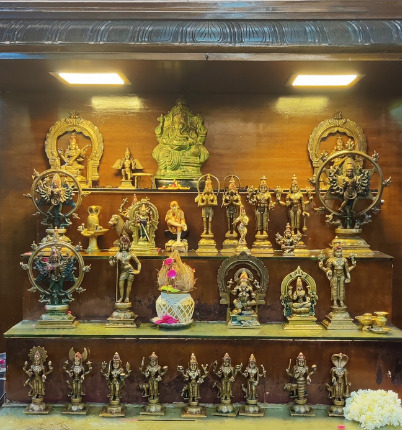


Perform Thila Homam with Swaami Narayanan Temple
Learn about the traditional significance of Thila Homam and explore booking options for performing this sacred ritual.
Book Thila HomamStill Have Questions About Thila Homam?
Find answers to over 50 frequently asked questions about Thila Homam including its Sanskrit meaning, ritual procedure, Pitru Dosha remedies, Rameswaram significance, online booking for NRIs, women's participation, Gotram, Nakshatra, and Sankalpam rules.
Read Complete Thila Homam FAQOnline Homam
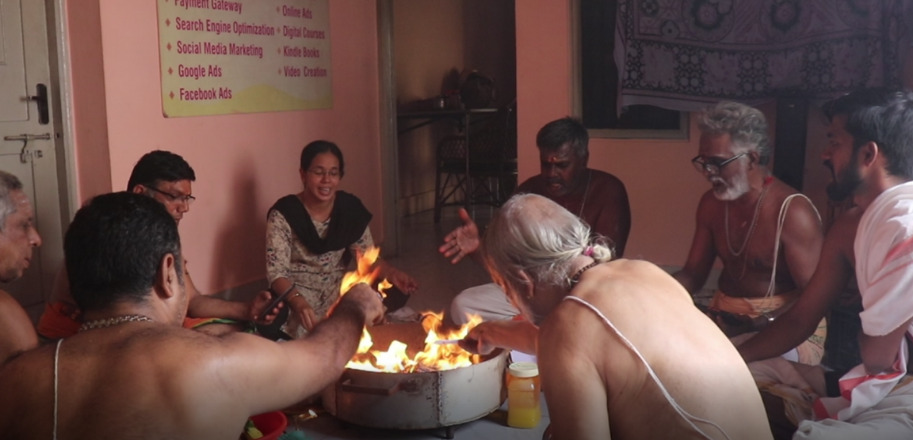
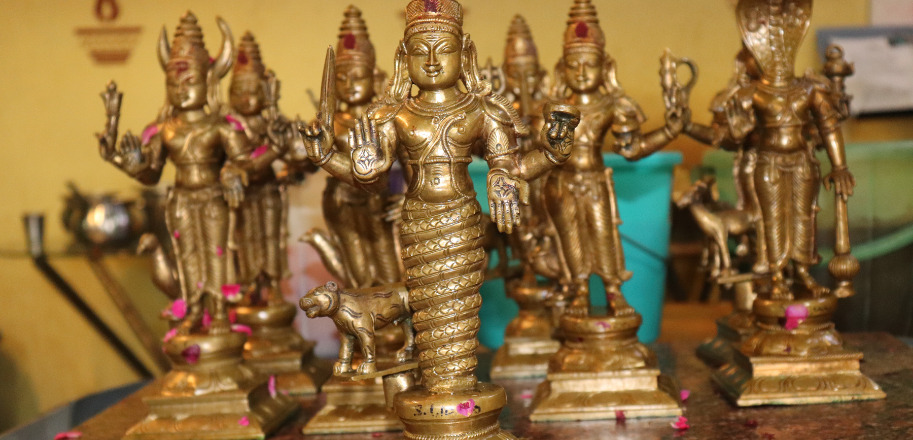
Clear Graha dosham
Navagraha Homam
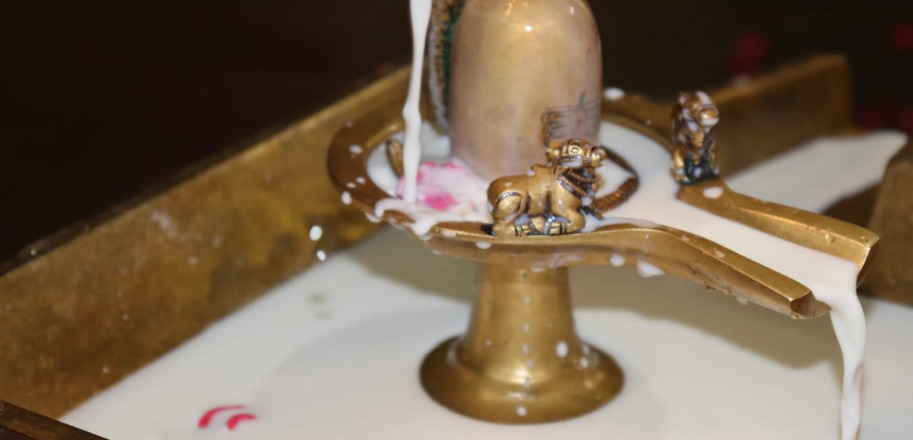
Extending a lifetime
Maha Mrithyunjay Homam
Protects from dark evil
Sudarashana Homam
Online Pooja

Get a job, health, wealth, and happiness in life.
Guru Pooja

Increase your financial growth
Lakshmi Pooja
Win over your challenges
Skanda shashti pooja
Increase your focus & concentration